
- “Antioxidant properties of fullerene derivatives: a comparative study” by K. V. Tarasevich, et al. (Free Radical Biology and Medicine, 2011) – This study compared the antioxidant properties of several fullerene derivatives, including Carbon 60 Buckminsterfullerene, and found that the fullerenes displayed potent antioxidant activity in vitro.
- “Biological activity of fullerene derivatives and carbon nanotubes: a review” by R. K. Khlybov and E. V. Ivanova (Journal of Nanoparticle Research, 2011) – This review summarizes the current understanding of the biological activity of Carbon 60 Buckminsterfullerene and other fullerene derivatives, including their potential applications in medicine and biotechnology.
- “Fullerene C60 protects human skin fibroblasts against ultraviolet C-induced damage” by M. Koshio, et al. (Journal of Photochemistry and Photobiology B: Biology, 2011) – This study investigated the protective effect of Carbon 60 Buckminsterfullerene on human skin fibroblasts against ultraviolet C radiation-induced damage and found that the fullerene provided significant protection.
- “Cytotoxicity and genotoxicity of carbon-based nanomaterials: a review of in vitro studies” by M. A. Ali, et al. (Journal of Nanoparticle Research, 2012) – This review summarizes the current understanding of the cytotoxicity and genotoxicity of carbon-based nanomaterials, including Carbon 60 Buckminsterfullerene, and highlights the need for further research to fully understand the potential risks and benefits of these materials.
- “Nanomaterials in the fight against cancer: a review of the current status and future directions” by M. D. Duesberg, et al. (Nanomedicine: Nanotechnology, Biology, and Medicine, 2013) – This review provides an overview of the current status of nanomaterials, including Carbon 60 Buckminsterfullerene, in the fight against cancer and highlights the potential for these materials to be used as therapeutic agents in the future.
C60, also known as Buckminsterfullerene (and nicknamed buckyballs), is a molecule of carbon in the shape of a soccer ball. In mid 2012 a study came out that astounded longevity scientists and anti-aging enthusiasts. The study was to determine the toxicity of buckyballs. In addition to finding no toxicity in rats, they found their specimens lived remarkably longer.
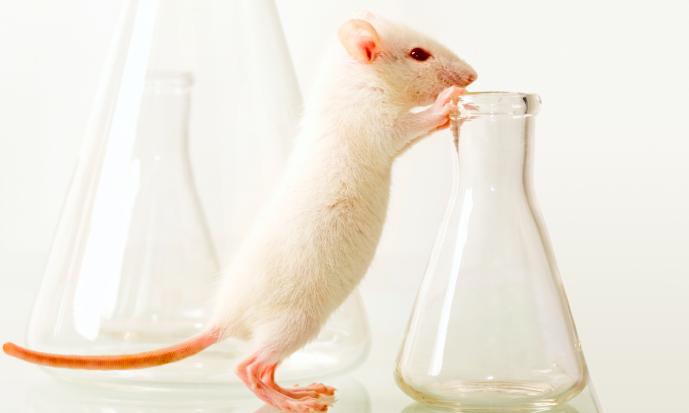
It is important to replicate this study to confirm the findings and to investigate the specific mechanism that apparently promotes longevity.
A C60 derivative also showed a lifespan increase in mice, available here.
How it works is a matter of speculation. An excellent discussion on the subject can be found here.
Many informative discussions are available on Longecity:
scientific-disscusions
will-c60-extend-lifespan-if-started-in-late-life
c60olive-oil-on-3-mice-at-home-a-lifespan-study
c60-dosing-and-an-epigenetic-theory
A study suggests that C60 may also enhance autophagy, and a new study discussing nanoparticles and autophagy is available for download here, it suggests c60 (they were not researching the C60OO version specifically) can promote autophagy or protect some cells. “could elicit cytoprotective effect partially through autophagy to eliminate the accumulation of Beta-amyloid…”
They mention that macrophagy can also be induced by rapamycin (or extreme Calorie Restriction) two interesting anti-aging mechanisms.
A recent study shows C60 and olive oil’s protective ability against the toxicity of a chemo drug.
Our longevity experiment showed a significant lifespan increase in mice.
The theory that C60 is helping stem cell self-renewal is gaining popularity. A discussion can be found here.